When summer temperatures rise, your air conditioner becomes one of the most important systems in your home. A well-maintained AC system helps keep indoor temperatures comfortable, manages humidity, and supports better indoor air quality. However, waiting until your air conditioner stops working on the hottest day of the year can lead to unnecessary stress and uncomfortable indoor conditions.
Preparing your air conditioner before peak summer heat arrives can help identify potential problems, improve airflow, and keep your cooling system operating as intended. This is particularly important in South Florida, where high temperatures and humidity can place considerable demands on residential HVAC equipment.
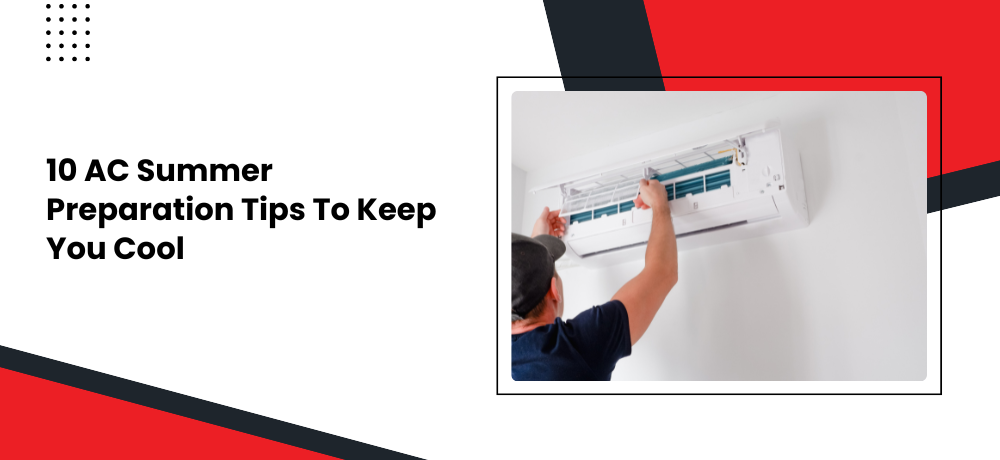
The good news is that several simple steps can help you prepare your system for the warmer months. From replacing your air filter to scheduling professional maintenance, these ten AC summer preparation tips will help you stay comfortable and recognize when it’s time to call an HVAC professional.
1. Replace or Clean Your AC Air Filter
One of the easiest ways to prepare your air conditioner for summer is to check its air filter. The filter captures dust, pollen, and other airborne particles before they circulate through your HVAC system. Over time, these particles accumulate and restrict airflow if the filter becomes clogged.
Restricted airflow can reduce cooling performance, increase system workload, and contribute to comfort problems throughout your home.
Check your air filter regularly and replace it according to the manufacturer’s recommendations. Some reusable filters can be cleaned, but disposable filters should not be washed unless the manufacturer specifically permits it. Homes with pets, frequent AC use, or significant dust may need more frequent filter checks.
When replacing a filter, make sure you use the correct size and type for your equipment. An improperly fitted filter may allow unfiltered air to bypass it or interfere with airflow.
Summer tip: Make checking your AC filter part of your monthly household routine during periods of heavy cooling demand.
2. Clean the Outdoor AC Unit
Your outdoor air conditioning unit releases heat removed from inside your home. If leaves, grass clippings, dirt, or other debris accumulate around the condenser, airflow can become restricted and heat transfer may be less effective.
Before summer begins, inspect the area around your outdoor unit. Remove loose debris, trim vegetation that crowds the equipment, and maintain the clearance specified by the manufacturer. Keep outdoor furniture, storage items, and other obstructions away from the unit.
You can gently rinse accessible exterior surfaces when appropriate, but avoid high-pressure water, which can damage delicate coil fins. Do not remove protective panels or attempt electrical repairs yourself.
If the condenser coils appear heavily soiled or the system continues to struggle with cooling, professional cleaning may be necessary.
Regular outdoor-unit care is an important part of an overall AC maintenance routine. It helps your system exchange heat properly and may reveal visible signs of damage that need further attention.
3. Schedule a Professional AC Tune-Up
Although homeowners can handle basic maintenance tasks, some important checks require professional equipment and HVAC expertise. Scheduling an AC tune-up before the hottest weather arrives gives a technician an opportunity to assess your system’s condition and identify developing issues.
A professional maintenance visit may include inspecting electrical connections, evaluating thermostat operation, checking the evaporator and condenser coils, measuring refrigerant-related operating conditions, examining the condensate drain, and assessing airflow and cooling performance.
The exact maintenance tasks depend on your equipment, its condition, and the manufacturer’s recommendations.
Routine maintenance cannot guarantee that your air conditioner will never break down. However, it can help identify certain problems before they develop into more serious performance issues.
For homeowners preparing for extended periods of hot weather, professional AC tune-up and maintenance services can be a practical way to get the system checked before cooling demand increases.
When should you schedule maintenance? Ideally, arrange an inspection before your system faces its heaviest workload. In South Florida, where air conditioners may operate for much of the year, follow a consistent maintenance schedule rather than waiting for the first heat wave.
4. Check Your Thermostat Settings
Your thermostat controls when your air conditioner operates and the temperature it attempts to maintain. Reviewing its settings before summer can help you maintain comfortable indoor conditions without unnecessary cooling.
Choose a temperature that balances comfort with your household’s energy priorities. If you have a programmable or smart thermostat, consider using a schedule that reflects when people are home and when the house is usually empty.
Avoid setting the temperature extremely low in an attempt to cool your home faster. Most conventional central AC systems cool at a relatively consistent rate, so an unusually low setting does not make them produce cooling instantly.
Also, check that your thermostat is not exposed to direct sunlight, cooking heat, or other sources that could interfere with its temperature readings. Replace its batteries if required.
If the thermostat display is blank, the system does not respond to settings, or the indoor temperature differs substantially from the setpoint, the problem may require professional diagnosis.
5. Check the AC Condensate Drain Line
Air conditioners remove moisture from indoor air as they cool your home. That moisture collects on the evaporator coil and normally drains away through a condensate drain line.
If the drain becomes clogged, water may accumulate in the drain pan or leak around the indoor equipment. Some systems have a safety switch that shuts the air conditioner off when water reaches a certain level.
Look for visible signs of trouble, including water near the indoor unit, overflow from the drain pan, or unexplained moisture around the equipment. A persistent musty odor may also warrant investigation, although it can have other causes.
If you notice a leak or suspect a blockage, arrange professional inspection rather than dismantling internal components or pouring unapproved chemicals into the drain.
Keeping the condensate system in good condition is especially relevant in humid climates, where air conditioners remove substantial amounts of moisture during normal operation.
6. Inspect Your Air Ducts and Keep Vents Clear
Even when your AC unit is working properly, blocked vents or damaged ductwork can prevent cooled air from reaching every room effectively.
Start by checking supply vents and return grilles. Move furniture, curtains, rugs, and other objects that may obstruct airflow. If one room remains noticeably warmer than the others, look for recurring patterns rather than continually lowering the thermostat.
Visible duct damage, disconnected sections, unusual dust accumulation, and persistent airflow problems may indicate that the duct system needs professional assessment.
It’s also important to distinguish duct cleaning from duct repair. Cleaning addresses accumulated contaminants inside accessible ductwork when cleaning is appropriate. Repair addresses physical problems such as leaks, damaged connections, or disconnected ducts.
If you suspect a ductwork problem, Central Air Comfort offers air duct cleaning services that you can explore alongside your broader indoor air quality needs.
Remember: Duct cleaning is not necessary for every home on a fixed schedule. Whether it’s appropriate depends on the condition of the ductwork and the specific issue being addressed.
7. Reduce the Amount of Heat Entering Your Home
Your air conditioner has to remove heat that enters your home through windows, walls, the roof, and other pathways. Reducing unnecessary heat gain can make indoor spaces more comfortable and help manage cooling demand.
Close blinds or curtains during periods of strong sunlight, particularly on windows that receive direct afternoon sun. Check weatherstripping around doors and windows, and seal appropriate gaps where hot outdoor air enters.
You can also reduce unnecessary indoor heat by using heat-generating appliances strategically. For example, consider running the oven less often during the hottest part of the day.
Insulation and air sealing can also affect how well your home retains conditioned air. If you consistently experience uncomfortable rooms despite normal AC operation, a broader evaluation of the building envelope and HVAC system may be worthwhile.
These household measures complement AC maintenance rather than replace it. Even an efficiently sealed home needs an appropriately sized and properly functioning cooling system.
8. Address Weak Airflow and Uneven Cooling
Does your air conditioner run for long periods while certain rooms remain warm? Weak airflow and uneven temperatures can indicate a problem that requires more than a thermostat adjustment.
Begin with the simple checks: confirm that the filter is clean, vents are unobstructed, and thermostat settings are correct. If the issue persists, possible causes include duct leakage, a blower problem, dirty coils, refrigerant-related faults, or other equipment issues.
Avoid assuming that every airflow problem requires duct cleaning or additional refrigerant. The correct solution depends on an accurate diagnosis.
Pay attention to other warning signs, such as unusual noises, frequent cycling, ice on the equipment, or a sudden decline in cooling performance. If you notice ice buildup, turn off cooling and seek professional guidance rather than trying to remove the ice manually.
When basic checks do not resolve the issue, professional air conditioning repair services can help identify the cause and determine the appropriate next step.
Prompt attention may prevent an existing problem from continuing to affect your comfort or system operation.
9. Know When It’s Time to Repair or Replace Your AC
Some air conditioners continue operating reliably for many years with appropriate maintenance. Others experience recurring problems as components wear out or system performance declines.
If your system requires frequent repairs, struggles to cool your home, or has increasingly expensive operating costs, it may be worth comparing repair and replacement options.
Consider several factors before making a decision:
- Equipment condition: Look at the overall state of the system rather than age alone.
- Repair history: Repeated problems may justify evaluating longer-term options.
- Operating costs: Higher bills can result from several causes, including weather, usage, poor airflow, or equipment inefficiency.
- Cooling requirements: Your household’s needs may have changed since the original system was installed.
- System sizing: Replacement equipment should be selected based on the home’s cooling requirements, not simply the size of the existing unit.
A qualified HVAC professional can assess the equipment and explain the available options.
If replacement makes sense, explore Central Air Comfort’s AC replacement services to learn more about replacing an aging cooling system.
The goal is not to replace equipment unnecessarily. It’s to make an informed decision based on comfort, reliability, repair costs, and long-term needs.
10. Prepare for South Florida’s Heat and Humidity
In South Florida, comfortable indoor conditions depend on more than temperature alone. Humidity also plays a significant role in how a room feels.
An air conditioner removes moisture as part of its normal cooling process. If the home remains clammy or smells musty even when the AC is running, there may be an issue with system operation, equipment sizing, airflow, ductwork, or another source of moisture.
Keep doors and windows closed while cooling, use bathroom and kitchen exhaust fans where appropriate, and investigate persistent condensation or dampness rather than simply lowering the thermostat.
If humidity problems continue, an HVAC professional can evaluate the system and help determine whether equipment adjustments, ductwork improvements, or additional humidity-control measures are appropriate.
Homeowners in Miami and surrounding communities can explore Central Air Comfort’s local HVAC services in Miami to find information relevant to their area.
Because cooling demand can remain high for extended periods in South Florida, regular maintenance and early attention to warning signs are particularly valuable.
Frequently Asked Questions About AC Summer Preparation
How do I prepare my air conditioner for summer?
Start by checking the air filter, clearing debris around the outdoor condenser, reviewing thermostat settings, and ensuring vents are unobstructed. Look for visible water leaks and unusual operating behavior. Scheduling professional maintenance can help identify issues that homeowners cannot safely inspect themselves.
How often should I service my AC in South Florida?
Many residential systems benefit from professional maintenance at least annually, although manufacturer recommendations, equipment condition, and usage may call for more frequent attention. Because South Florida air conditioners often operate for extended periods, establish a consistent maintenance schedule rather than waiting for a breakdown.
What does an AC summer tune-up include?
A tune-up may include checking the filter, inspecting coils and electrical components, testing thermostat operation, examining the condensate drain, measuring refrigerant-related operating conditions, and evaluating airflow. The exact scope depends on the equipment and its condition.
Why is my AC running but not cooling my house?
Possible causes include a dirty filter, blocked airflow, thermostat problems, dirty coils, refrigerant issues, or equipment faults. Check the filter and thermostat first. If the system still fails to cool properly, arrange professional diagnosis instead of attempting electrical or refrigerant repairs yourself.
Can AC maintenance help reduce energy use?
Maintenance can help the system operate as intended by addressing issues such as restricted airflow and dirty coils. However, actual energy use depends on equipment efficiency, weather, insulation, thermostat settings, and household habits. No particular savings amount is guaranteed.
When should I consider replacing my air conditioner?
Consider an evaluation if your AC has frequent breakdowns, persistent cooling problems, or repair costs that are becoming difficult to justify. A professional can compare repair and replacement options based on equipment condition, efficiency, sizing, and your household’s needs.
Get Your AC Ready for Summer With Central Air Comfort
Preparing your air conditioner before the hottest weather arrives can help you recognize potential problems, improve airflow, and maintain a more comfortable indoor environment. Simple tasks such as checking the filter and clearing the outdoor unit are useful starting points, while a professional inspection can address issues that require specialized equipment or training.
If your air conditioner is due for maintenance or is showing signs of trouble, don’t wait until a breakdown interrupts your comfort.
Visit Central Air Comfort to learn more about available HVAC services, or contact the team to discuss your AC maintenance, repair, or replacement needs.
Taking care of your cooling system now can help you approach summer with greater confidence and a clearer plan for keeping your home comfortable.