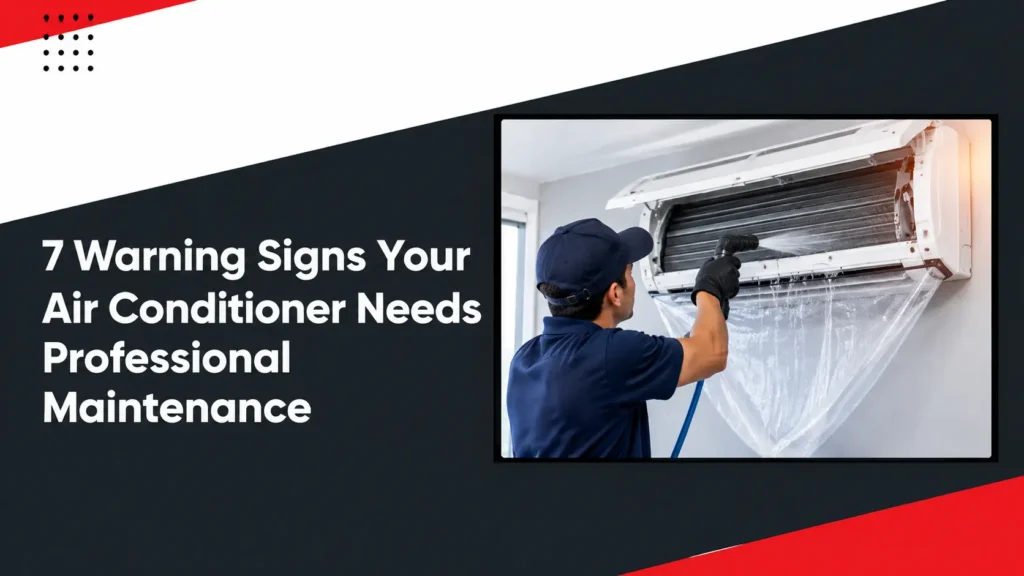
Your air conditioner may still turn on every day, but that does not necessarily mean it is working as efficiently as it should. Weak airflow, unusual noises, warm air, and unexpected increases in electricity bills can all indicate that your cooling system needs attention.
For homeowners in South Florida, a properly functioning air conditioner is essential for maintaining a comfortable indoor environment throughout much of the year. Long cooling seasons, high humidity, and frequent system use can put additional demands on HVAC equipment, making regular maintenance especially important.
Recognizing the early warning signs of an AC problem can help you decide when to perform a simple check and when to call a professional. In this guide, we will cover seven common signs your air conditioner needs professional maintenance, explain what might be causing them, and show you when to seek expert assistance.
1. Weak Airflow Coming From Your AC Vents
One of the first signs your AC needs maintenance is reduced airflow. You may notice that air coming from the vents feels weaker than usual or that certain rooms take much longer to cool than others.
Several issues can cause poor airflow, including clogged air filters, blocked vents, dirty evaporator coils, blower motor problems, or restrictions in the ductwork. A dirty filter is a common starting point because accumulated dust can prevent air from moving freely through the system.
What should you do?
Check your air filter and clean or replace it according to the manufacturer’s recommendations. Make sure furniture, curtains, and other objects are not blocking supply or return vents.
If airflow remains weak after these basic checks, schedule a professional inspection. An HVAC technician can evaluate the blower, coils, and ductwork to identify the underlying cause.
Ignoring restricted airflow can reduce comfort and may contribute to other problems, including frozen evaporator coils. Professional AC maintenance helps identify airflow issues before they develop into more significant concerns.
2. Your Air Conditioner Is Blowing Warm Air
An air conditioner that runs continuously without producing cool air can quickly become frustrating, particularly during hot and humid weather.
If your AC is blowing warm or lukewarm air, the problem could involve incorrect thermostat settings, restricted airflow, dirty coils, a malfunctioning compressor, or a refrigerant leak. The exact cause depends on the equipment and its operating conditions.
How can you troubleshoot an AC that is not cooling?
Start by checking that your thermostat is set to cooling mode and that the temperature setting is below the current room temperature. You can also inspect the air filter for visible dirt or blockage.
If the system still fails to cool properly, contact an HVAC professional. Refrigerant problems and electrical or mechanical faults require appropriate diagnostic equipment and qualified service.
Avoid repeatedly lowering the thermostat in an attempt to force the system to cool. This will not resolve an underlying mechanical issue.
A professional inspection can determine whether your system needs routine maintenance, a specific repair, or further testing to restore normal cooling performance.
3. Your Electricity Bills Have Suddenly Increased
An unexpected increase in your electricity bill may be another indication that your air conditioner is struggling to operate efficiently.
When airflow is restricted, coils become dirty, or components stop functioning correctly, the system may need to run longer to maintain the desired temperature. Incorrect thermostat settings, duct leakage, and equipment wear can also contribute to increased energy consumption.
Of course, higher bills do not always indicate an AC problem. Changes in weather, electricity rates, household occupancy, and cooling habits can also affect monthly costs.
Can AC maintenance help lower energy consumption?
Routine maintenance helps keep important components clean and allows a technician to identify issues that may be affecting performance. Depending on your system, a maintenance visit may include filter inspection, coil cleaning, thermostat testing, airflow evaluation, condensate drain checks, and operational testing.
These steps can help your air conditioner operate as intended, although actual energy savings depend on the condition of the equipment and any corrective work required.
If your electricity bill has increased without an obvious explanation, compare your cooling habits and usage with previous months. If the increase continues alongside poor cooling or unusually long run times, arrange a professional AC inspection.
4. Your AC Is Making Strange or Unusual Noises
Air conditioners produce some operating noise, but sudden or persistent changes in sound should not be ignored.
Different noises can point to different problems. Rattling may indicate a loose panel or component. Grinding can suggest a motor or bearing issue, while persistent buzzing may be associated with an electrical or mechanical fault. Hissing can have several causes, including a possible refrigerant leak.
These sounds are clues rather than definitive diagnoses. A technician needs to inspect the system to determine what is actually happening.
Which AC noises require immediate attention?
If you hear loud grinding, notice smoke, or detect a burning smell, switch the system off if it is safe to do so and seek professional assistance. If a breaker repeatedly trips, do not keep resetting it.
For less urgent but persistent noises, schedule an inspection before the issue worsens. Continuing to operate equipment with a failing component can sometimes lead to additional damage.
Regular HVAC maintenance can help identify loose parts, worn components, and developing performance issues. However, unusual noises may require a dedicated AC repair service rather than a routine tune-up alone.
5. Water Is Leaking Around Your Indoor AC Unit
Your air conditioner naturally produces condensation as it removes moisture from indoor air. That water should drain through the condensate drainage system rather than collect around the indoor unit.
If you notice water pooling near your air handler, dripping from a ceiling, or appearing around the indoor equipment, a drainage or system problem may be responsible.
Common causes include a clogged condensate drain line, a damaged drain pan, or frozen evaporator coils that release water as the ice melts.
What should you do about an AC water leak?
If water is actively leaking, turn the system off if it is safe to do so and protect the surrounding area from water damage. Keep away from wet electrical equipment and do not open electrical compartments.
A professional HVAC technician can inspect the drain line, drain pan, coils, and related components to determine the cause.
Condensate drainage is particularly important in humid climates, where air conditioners frequently remove moisture from indoor air. Having the drainage system checked during routine maintenance can help identify blockages before they cause leaks.
6. Your Home Feels Humid or Smells Musty
An air conditioner does more than cool your home. It also removes moisture from indoor air as part of the cooling process.
If your home feels sticky or damp despite the AC running, the system may not be removing humidity effectively. Potential causes include restricted airflow, short cycling, equipment sizing problems, or a fault affecting normal operation.
A musty smell coming from the vents may indicate moisture accumulation in a filter, drain pan, coil area, or ductwork. However, odors can also originate from sources unrelated to the HVAC system.
How can you address indoor humidity problems?
First, make sure your thermostat is set correctly and check the air filter if it is accessible. Pay attention to whether the system cycles off unusually quickly or struggles to maintain a comfortable temperature.
If the humidity problem or odor persists, arrange a professional inspection. A technician can assess system operation and drainage and help determine whether additional cleaning or repairs are appropriate.
Professional maintenance can help identify conditions that interfere with cooling and moisture removal. If the source of a musty odor is unclear, avoid masking it with fragrances before investigating the underlying cause.
7. Your Air Conditioner Turns On and Off Too Frequently
An air conditioner normally cycles on and off to maintain the temperature selected on the thermostat. However, repeated short cycles can indicate that something is preventing the system from operating normally.
This behavior, commonly called short cycling, can be caused by thermostat problems, restricted airflow, an oversized system, or a fault in a system component.
Frequent cycling may affect comfort and place additional demands on equipment because the system repeatedly starts and stops without completing normal cooling cycles.
Can professional maintenance resolve short cycling?
Sometimes. A technician may discover a dirty filter, airflow restriction, or another maintenance-related issue contributing to the problem. In other cases, the system may require a specific repair, thermostat correction, or more detailed evaluation.
Notice whether short cycling occurs alongside other symptoms, such as warm air, unusual noises, or poor humidity control. This information can help the technician understand the problem.
If the AC repeatedly switches on and off over short intervals, arrange an inspection rather than assuming the behavior is normal. Prompt diagnosis can help identify the cause and determine the appropriate solution.
When Should You Schedule Professional AC Maintenance?
Not every AC problem requires an emergency visit, but persistent changes in performance deserve attention.
You can handle a few basic tasks yourself, such as checking the thermostat, replacing a dirty filter, keeping vents unobstructed, and clearing loose debris from around the outdoor unit. Always follow the manufacturer’s guidance and avoid working on electrical components or refrigerant lines.
Professional assistance is appropriate when your air conditioner continues to blow warm air, produces unusual noises, leaks water, struggles with humidity, or cycles on and off too frequently.
Routine maintenance and AC repair serve different purposes. Maintenance involves preventive inspections, cleaning, and performance checks. Repair addresses a specific fault that has already developed. A maintenance appointment may uncover a repair that needs separate attention.
Central Air Comfort provides residential and commercial HVAC services in South Florida. Learn more about professional AC tune-up and maintenance services to understand how a scheduled inspection can help you assess your system’s condition.
Frequently Asked Questions About AC Maintenance
What are the most common signs that an air conditioner needs maintenance?
Common warning signs include weak airflow, warm air from the vents, unusual noises, water leaks, musty odors, frequent cycling, and unexplained increases in electricity bills. Persistent symptoms should be evaluated by an HVAC professional.
How often should I schedule AC maintenance in South Florida?
Twice-yearly maintenance is a reasonable starting point for many residential systems in South Florida because air conditioners often operate for much of the year. Your ideal schedule depends on the equipment, usage, and manufacturer recommendations.
Can I maintain my air conditioner myself?
Yes. Homeowners can check or replace filters, keep vents clear, and remove loose debris around the outdoor unit. Coil cleaning, refrigerant checks, electrical inspections, and complex drainage work should be handled by qualified technicians.
Does regular AC maintenance help reduce electricity bills?
Maintenance can help address issues such as dirty coils and restricted airflow that may increase energy use. However, savings are not guaranteed and depend on the system’s condition, usage, and the work performed.
Should I schedule maintenance or AC repair?
Choose maintenance when you want preventive inspection and cleaning or when your system needs a routine performance check. If the AC is leaking, making unusual noises, blowing warm air, or repeatedly shutting off, professional diagnosis may reveal a repair need.
Can AC maintenance prevent unexpected breakdowns?
Routine maintenance can identify developing issues and help reduce some preventable failures, but it cannot eliminate every breakdown. Equipment age, component wear, and unexpected faults can still affect reliability.
Keep Your Cooling System Running Reliably
Recognizing the warning signs of AC trouble can help you take action before a small concern becomes a more disruptive problem. Weak airflow, warm air, rising energy bills, unusual noises, water leaks, humidity issues, and frequent cycling are all reasons to pay closer attention to your cooling system.
Basic homeowner checks can resolve some minor issues, but persistent symptoms call for professional evaluation. Regular maintenance also provides an opportunity to inspect important components, clean the system where appropriate, and identify potential concerns.
If your air conditioner is showing any of these warning signs, contact Central Air Comfort to discuss your cooling concerns and schedule the appropriate service. Taking action early can help you make informed decisions about your AC system and maintain a more comfortable home throughout South Florida’s long cooling season.